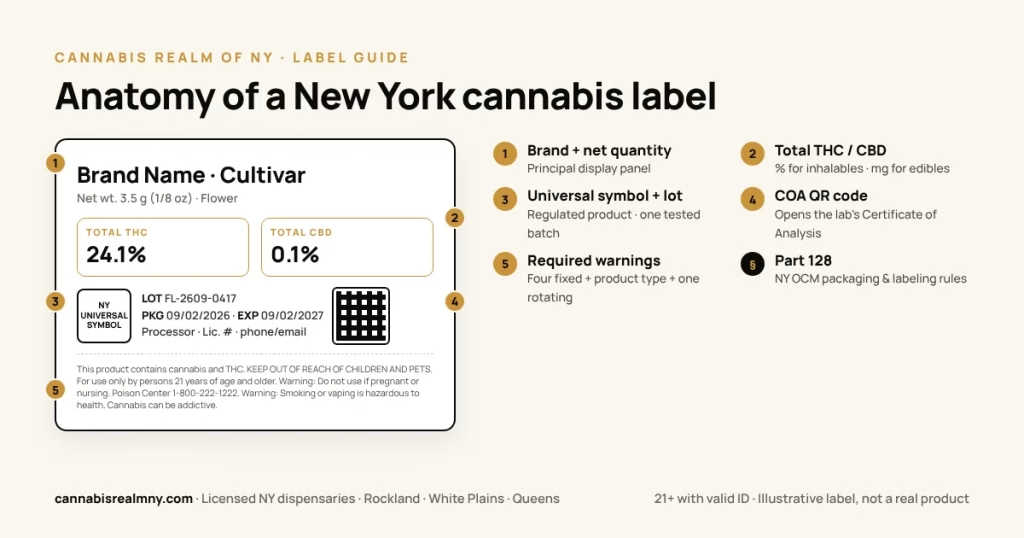
To read a New York cannabis label, start with the principal display panel: total THC as a percentage for flower, pre-rolls and vapes, or milligrams per serving and per package for edibles and drinks. Then find the lot number, scan the QR code to open the Certificate of Analysis, and confirm the NY universal symbol and warnings are present.
- Edible cap
- 10 mg THC per serving · 100 mg per package
- Total THC formula
- THC + (THCA × 0.877)
- Lab results
- COA QR code or link required on every package
- Rule update
- Part 128 revised Dec 2025 · labels compliant by June 3, 2026
Every product sold at a licensed New York dispensary carries a label written to the state’s Part 128 packaging and labeling rules, and the Office of Cannabis Management (OCM) revised those rules in December 2025 with a labeling compliance date of June 3, 2026. Once you know where each line lives, you can size up any product in under a minute. This guide walks through every required element, the math behind “total THC,” and how to check the lab results yourself. It is general product information for adults 21+ with valid government-issued ID, not medical advice.
What has to be on a New York cannabis label
New York splits the label into two zones. The principal display panel is the front-facing area with the brand name, net quantity and cannabinoid content. The outermost packaging layer carries everything else: the universal symbol, the warnings, the lot number, the COA QR code, the ingredient list and the processor’s name and license number. Under OCM’s Part 128 guidance, all of it must be in English, at least 6-point type, and still readable after the package is opened.
| Label element | Where it appears | What it tells you |
|---|---|---|
| Brand name and net quantity | Principal display panel | Who made it and how much is inside (grams, milliliters or count) |
| Total THC / total CBD | Principal display panel | Percent by weight for inhalables; milligrams per serving and per package for edibles |
| Servings per package and serving size | Principal display panel (non-inhalables only) | How the package is divided; each serving is capped at 10 mg total THC |
| NY universal symbol | Outermost layer | Marks a tested, regulated product; minimum 1.25 in. square |
| Lot number or barcode | Outermost layer | Links the package to one tested batch and its COA |
| COA QR code or link | Outermost layer | Opens the independent lab’s Certificate of Analysis |
| Required warnings | Outermost layer | Four fixed statements, one product-type warning and one rotating warning |
| Expiration date and storage conditions | Outermost layer | Shelf life of the unopened product and how to keep it |
| Processor name, license number and contact | Outermost layer | Who is legally responsible; a phone number or email is required, not just a website |
| Ingredients and allergens | Outermost layer | Descending order by weight; major allergens called out on edibles |
| Terpene profile | Outermost layer (only if terpenes are marketed) | Named terpenes and their percentages |
How to read the THC and CBD numbers
The potency line is the most misread part of a cannabis label because New York uses two units: percent for inhalables, milligrams for anything you eat or drink.
Flower, pre-rolls and vapes: total THC as a percentage
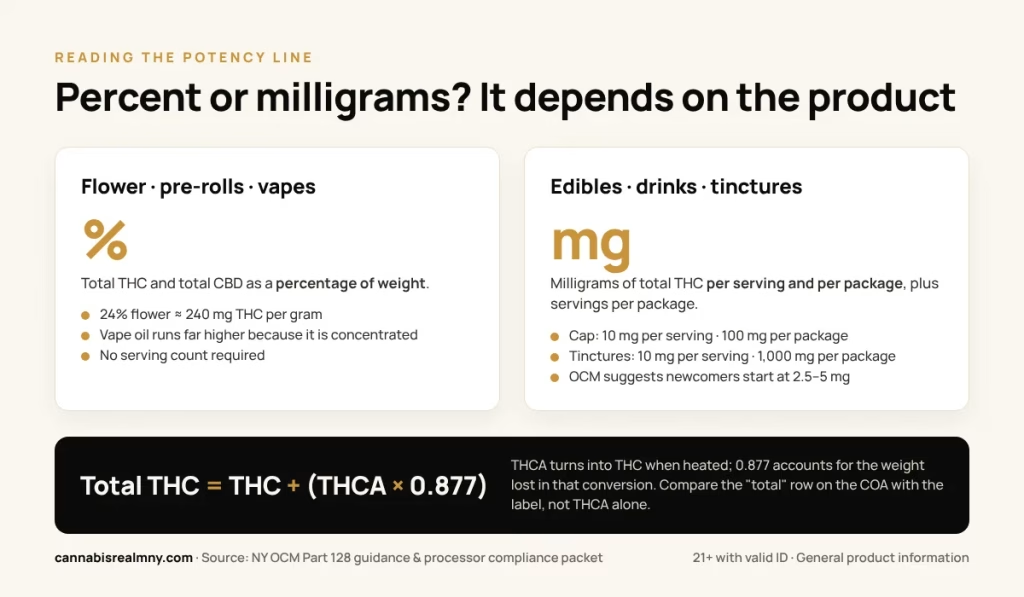
Part 128 requires inhalable products to show total THC and total CBD as a percentage of weight. A jar of flower labeled 24% total THC contains roughly 240 mg of THC per gram. Vape cartridges are the same idea at a higher number, because the oil is concentrated: 80–90% total THC is typical for distillate and lower for live resin, which keeps more of the plant’s other compounds. Inhalable labels do not need a serving count.
Edibles and drinks: milligrams per serving and per package
Non-inhalable products must list milligrams of total THC per serving and per package, the number of servings, and the serving size. New York caps adult-use edibles at 10 mg total THC per serving and 100 mg per package (tinctures may go to 1,000 mg per package at 10 mg per serving), per OCM’s processor compliance guidance. So a 100 mg bag of gummies is ten 10-mg pieces, and a 5 mg THC seltzer is a single low-dose serving. OCM’s own consumer guidance suggests newcomers start between 2.5 and 5 mg, which on many products means cutting a gummy in half or in quarters.
Why the label says “total THC,” not just “THC”
Raw cannabis is mostly THCA, which converts to THC when heated. New York labels report the combined figure using the formula Total THC = THC + (THCA × 0.877); the 0.877 accounts for the weight lost in that conversion. The same math applies to CBD. If you compare a COA with the package, look for the “total” row, not the THCA or delta-9 rows on their own.
Lot numbers, packaging dates and expiration dates
The lot number (sometimes a barcode or “batch ID”) is the label’s most useful line after potency. Every lot a licensed processor produces must be sampled and tested by an independent laboratory before it can be sold, and the lot number is what connects your package to that specific test. OCM uses it to trace a product from cultivation through processing, testing and distribution, and it is the number you would quote if a product were ever recalled.
Next to it you will find an expiration date for the unopened product and storage conditions. Many brands also print a packaging or harvest date. For flower and pre-rolls, a recent packaging date is a good freshness signal; for gummies, the storage line matters more (see our gummy storage guide).
How to check the COA using the QR code
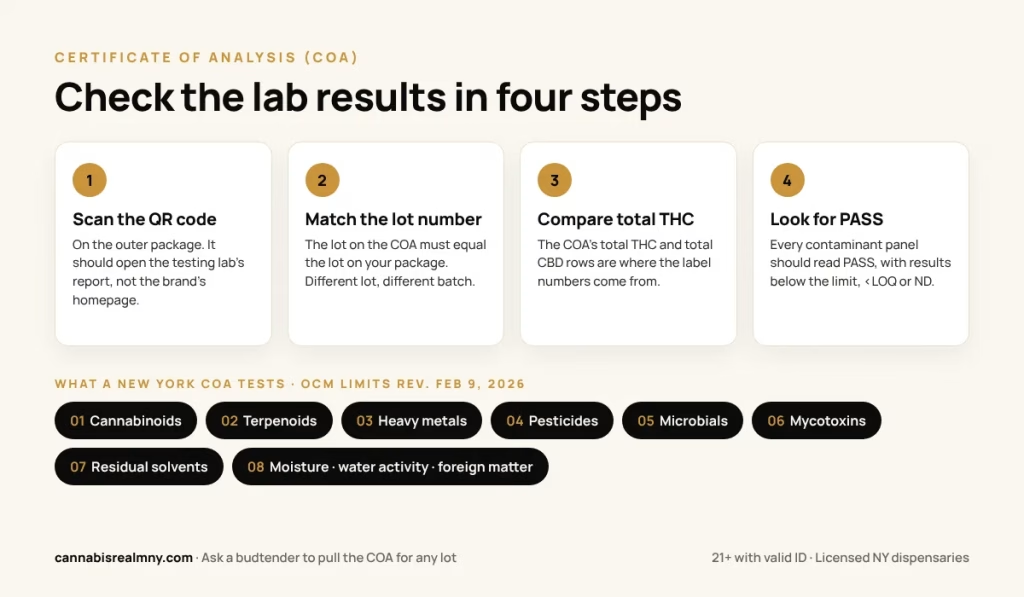
Every regulated New York product must carry a scannable QR code or link to its Certificate of Analysis (COA), the report from the OCM-permitted lab that tested the lot. Reading one takes about a minute:
- Scan the QR code on the outer package. It should open a report from the testing lab, not the brand’s homepage.
- Match the lot number on the COA to the lot number on your package. If they differ, you are looking at a different batch.
- Check the cannabinoid table: the total THC and total CBD rows on the COA are the source of the numbers printed on the label, so they should match.
- Scan the contaminant panels for a “PASS” on each category. Any “FAIL” means the lot should never have reached a shelf.
What a New York COA tests for
OCM’s testing limits (revised February 9, 2026) require eight categories of analysis on adult-use products:
| COA section | What it screens | Example NY limit |
|---|---|---|
| Phytocannabinoid profile | THC, THCA, CBD, CBDA and any marketed minor cannabinoids | Must match the label |
| Terpenoids | Named terpenes and total terpene content | Inhalables capped at 10% total terpenes |
| Heavy metals | Lead, arsenic, cadmium, mercury | Lead ≤ 0.500 µg/g in inhalables |
| Pesticides | Residues from cultivation, including growth regulators | Per-analyte limits |
| Microbiological | Bacteria, yeast and mold counts, pathogens | Yeast and mold ≤ 1,000 cfu/g (extracted products) |
| Mycotoxins | Aflatoxins, ochratoxin A | < 0.020 µg/g |
| Residual solvents | Extraction solvents left in concentrates | Per-solvent limits |
| Physical / chemical | Moisture, water activity, foreign material | Threshold per product type |
Pass, fail, ND and LOQ
OCM’s How to Read a COA guide defines the terms you will see. A test fails if a contaminant is detected above the state limit and passes if it is below it. LOQ (limit of quantitation) is the smallest amount the lab can measure accurately; ND means “not detected” at that threshold. A row showing “<LOQ” or “ND” is the result you want on every contaminant line.
The universal symbol and the required warnings
The New York universal symbol is the state’s mark for a tested, regulated product. It must appear on the outermost layer, at least 1.25 inches on a side if square, and it cannot double as the tamper seal you peel off. A package with no symbol is not a licensed New York product.
Part 128 also fixes the warning text. Every product carries four statements: “This product contains cannabis and THC,” “KEEP OUT OF REACH OF CHILDREN AND PETS. For use only by persons 21 years of age and older,” “Warning: Do not use if pregnant or nursing,” and “Poison Center 1-800-222-1222.” Inhalables add a smoking/vaping hazard warning; edibles add “Effects of this product may be delayed by 4 or more hours”; topicals add “For topical use only.” Finally, each package carries one rotating warning (for example, “Cannabis can be addictive” or the impairment-and-driving statement), and licensees must rotate them across their products through the year, so two jars from the same brand may show different lines.
Terpene profile, cultivar name and extract type
Three lines are optional but worth reading when present. A terpene profile is required only when a brand markets its terpenes, in which case the named terpenes and percentages go on the outer layer; myrcene, limonene, caryophyllene and pinene are the ones you will see most (our terpene guide covers what each one smells and tastes like). The cultivar name is the strain, and the extract type (distillate, live resin, rosin, full-spectrum) tells you how a vape or concentrate was made. If you have been shopping by “indica” or “sativa,” OCM’s consumer page recommends reading these three lines instead; we explain why in our guide to what the labels actually mean.
Red flags: what a legal New York label never looks like
A legal New York label will not have cartoons, mascots or candy look-alike branding, will not make any health claim, and will not use terms like “organic” or “craft” without meeting the state’s criteria. If a package is missing the universal symbol, has no lot number, has a QR code that opens a brand website instead of a lab report, or shows “1,000 mg” on a single gummy bag, it did not come through the licensed supply chain. Our guide to finding a licensed dispensary in New York goes deeper on how to verify a shop and what unlicensed shelves get wrong, and OCM’s consumer page explains the Dispensary Verification Tool QR code posted in every licensed storefront.
Reading a label at Cannabis Realm of NY
Every product on our menus in Rockland, White Plains and Queens is a licensed New York product with the full Part 128 label, and our budtenders can pull the COA for any lot on request before you buy. Product pages on our online menu list total THC, cannabinoid content and lab results so you can compare before you order. Order ahead for pickup or delivery (free over $50 in Rockland and over $99 in Westchester and Queens) and read the packaging at home with your phone ready to scan the QR code. You must be 21+ with valid government-issued ID to purchase, and to accept a delivery, in New York. For the wider rules on possession limits and where you can consume, see New York cannabis laws in 2026.
Shop lab-tested products · live menu
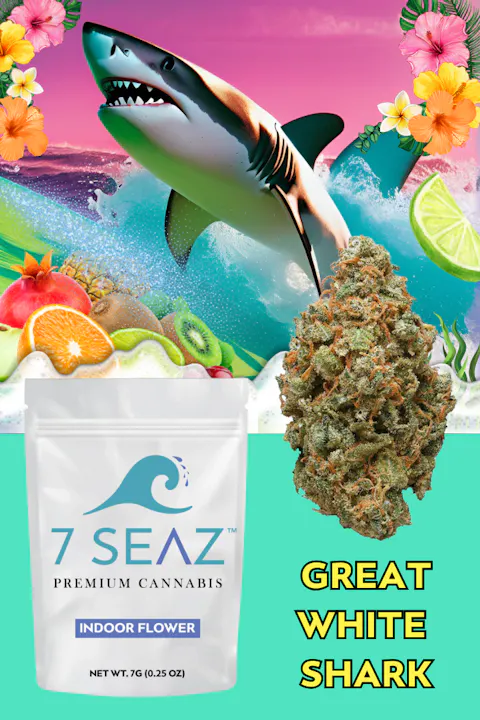 Hybrid7Seaz7Seaz - Great White Shark (Indoor) - 7g26.7% THC$48.99White Plains
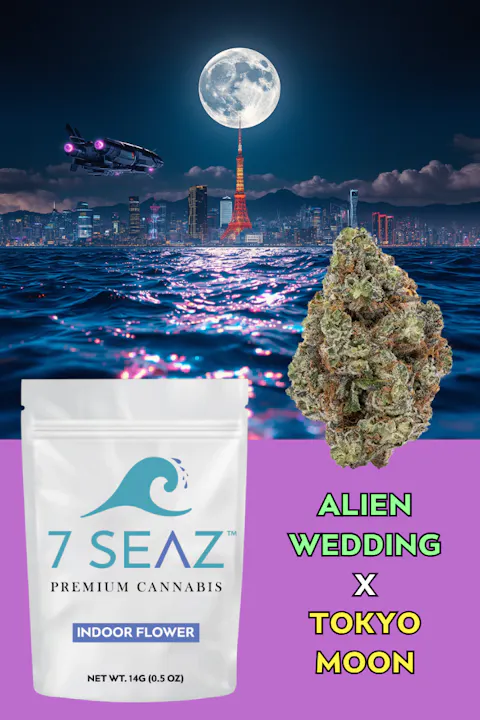 Hybrid7Seaz7Seaz - Alien Wedding x Tokyo Moon (Indoor) - 14g23.8% THC$93.99Queens
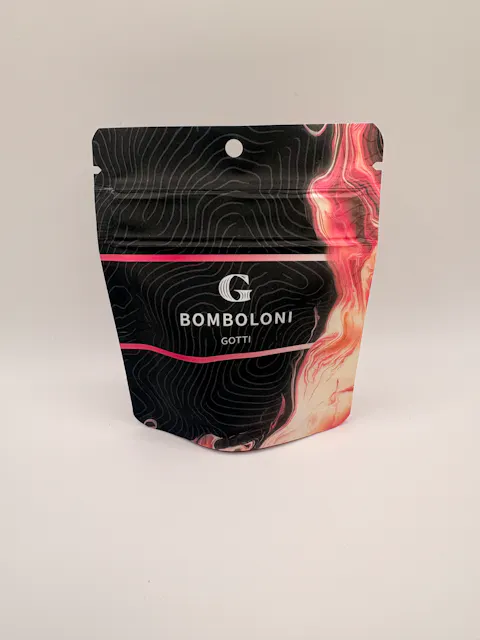 HybridGottiGotti - Bomboloni (Indoor) - 3.5g23% THC$54.99Rockland
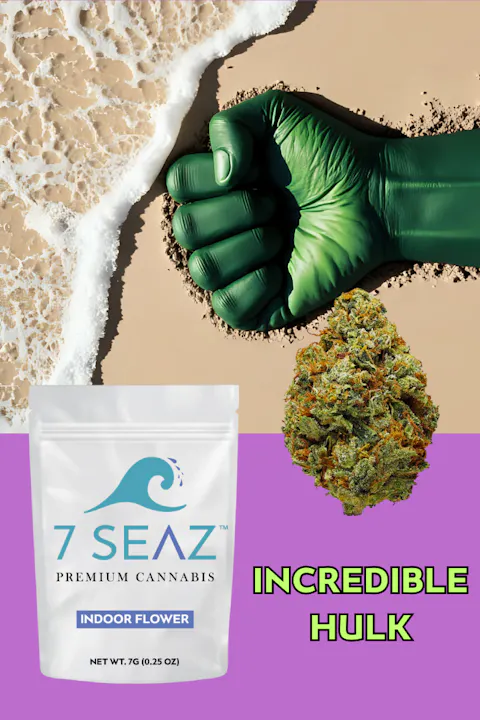 Hybrid7Seaz7Seaz - Incredible Hulk (Indoor) - 7g29% THC$48.99White Plains
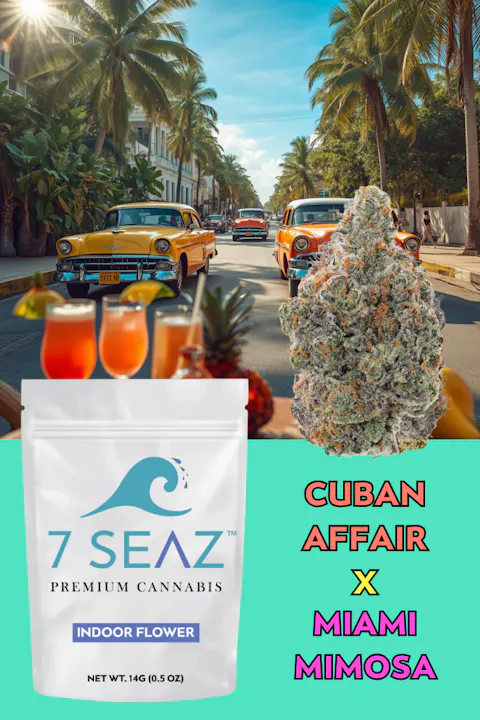 Hybrid7Seaz7Seaz - Cuban Affair x Miami Mimosa (Indoor) - 14g23.8% THC$93.99Queens
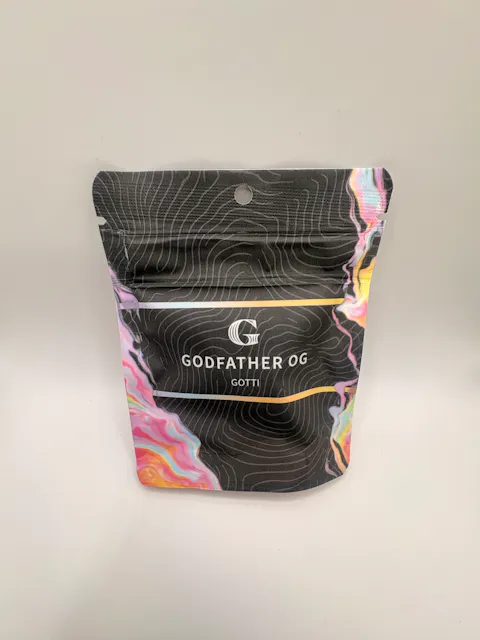 HybridGottiGotti - Godfather OG (Indoor) - 3.5g28% THC$54.99Rockland
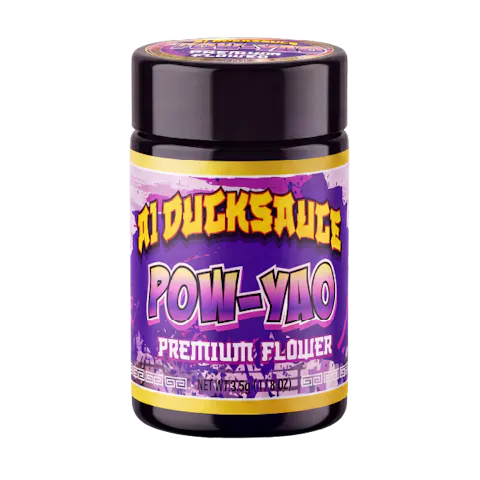 SativaA1 DucksauceA1 Ducksauce - Pow-Yao (Indoor) - 3.5g30.4% THC$54.99White Plains
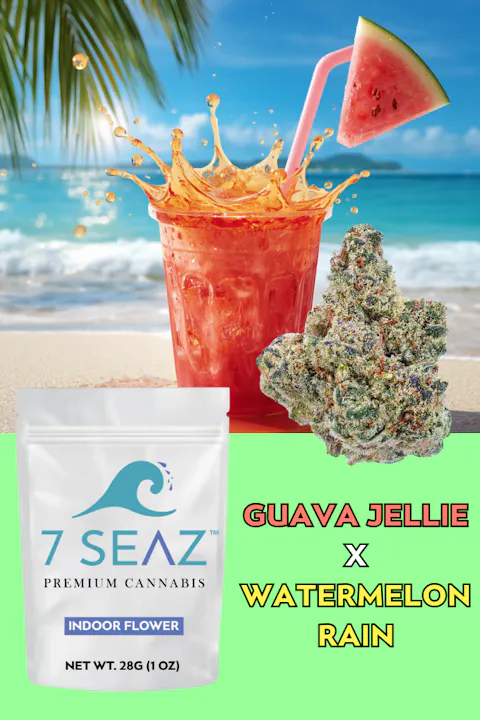 Hybrid7Seaz7Seaz - Guava Jellie x Watermelon (Indoor) - 28g23.4% THC$192.99Hybrid7Seaz7Seaz - Great White Shark (Indoor) - 7g26.7% THC$48.99Hybrid7Seaz7Seaz - Incredible Hulk (Indoor) - 7g29% THC$48.99SativaA1 DucksauceA1 Ducksauce - Pow-Yao (Indoor) - 3.5g30.4% THC$54.99
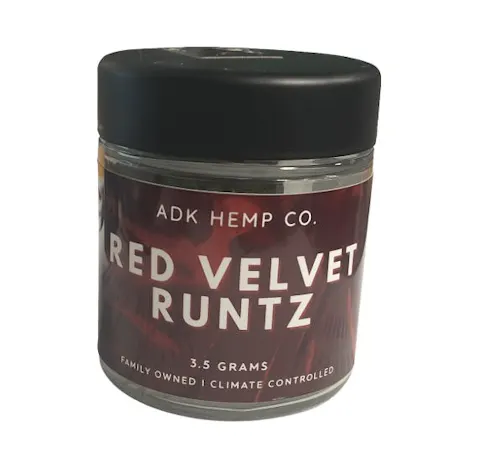 HybridAdirondack Hemp Company (Micro)ADK - Red Velvet Runtz (Indoor) - 3.5g29.5% THC$48.99Hybrid7Seaz7Seaz - Alien Wedding x Tokyo Moon (Indoor) - 14g23.8% THC$93.99Hybrid7Seaz7Seaz - Cuban Affair x Miami Mimosa (Indoor) - 14g23.8% THC$93.99Hybrid7Seaz7Seaz - Guava Jellie x Watermelon (Indoor) - 28g23.4% THC$192.99
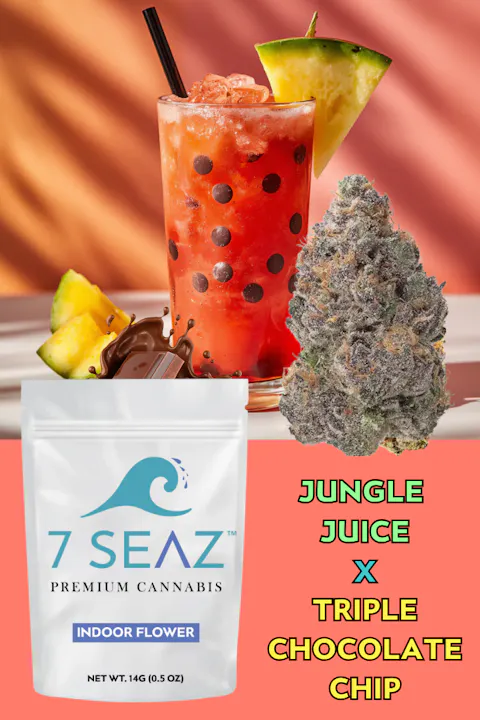 Hybrid7Seaz7Seaz - Jungle Juice x Triple Chocolate Chip (Indoor) - 14g28.3% THC$93.99HybridGottiGotti - Bomboloni (Indoor) - 3.5g23% THC$54.99HybridGottiGotti - Godfather OG (Indoor) - 3.5g28% THC$54.99
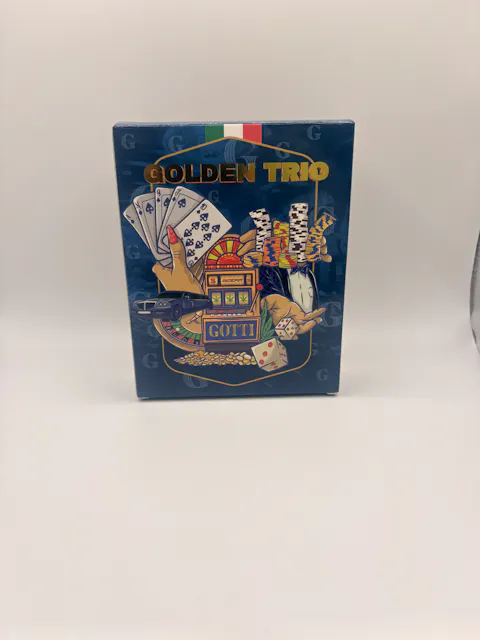 HybridGottiGotti - Golden Trio (Indoor) - 3.5g20.1% THC$54.99
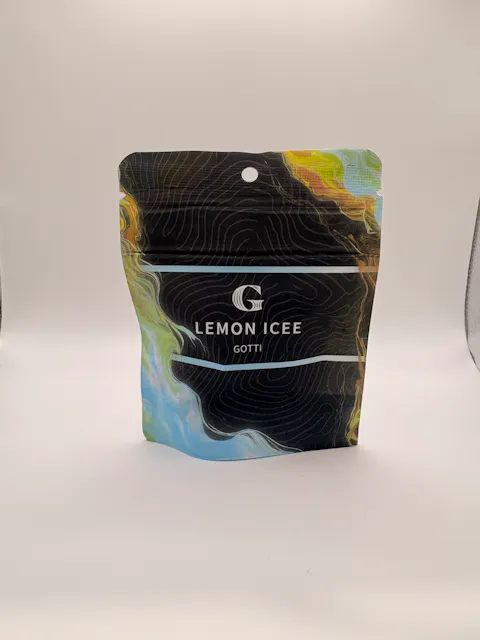 HybridGottiGotti - Lemon Ice (Indoor) - 3.5g20.2% THC$54.99
Frequently asked questions
What does "total THC" mean on a New York cannabis label?
Total THC is the combined figure of THC already present plus the THC that THCA becomes when heated, calculated as THC + (THCA × 0.877). New York requires it as a percentage of weight on inhalables and in milligrams per serving and per package on edibles and drinks.
How do I find the lab results for a cannabis product in NY?
Scan the QR code (or open the link) printed on the outer package. It opens the Certificate of Analysis from the independent lab that tested that lot. Match the lot number on the COA to the one on your package, then check that every contaminant panel reads PASS.
What is a lot number on cannabis packaging?
A lot number (or batch ID/barcode) identifies the specific production batch the product came from. Every lot must be lab-tested before sale, and OCM uses the number to trace a product from cultivation through testing and distribution, including for recalls.
How many milligrams of THC can an edible have in New York?
Adult-use edibles in New York are limited to 10 mg total THC per serving and 100 mg per package. Tinctures may contain up to 1,000 mg per package at 10 mg per serving. The label must show milligrams per serving, per package, and the number of servings.
What is the New York universal symbol?
It is the state's required mark showing a product was tested and sold through the regulated adult-use system. It must appear on the outermost layer of every licensed product, at least 1.25 inches on a side if square, and cannot be used as the tamper seal.
Why do two products from the same brand show different warnings?
Part 128 requires each package to carry one rotating warning statement, and licensees must rotate those statements across their products through the year. Seeing different rotating warnings on two jars from the same brand is expected.
Does every New York cannabis label list terpenes?
No. A terpene profile is required only when the brand markets its terpene content; then the named terpenes and percentages must appear on the outer layer. Products that do not advertise terpenes may leave it off, though the COA usually includes a terpene panel.
Can I see a product's COA before I buy at Cannabis Realm of NY?
Yes. Ask a budtender at our Rockland, White Plains or Queens locations to pull the COA for any lot, or check the lab results listed on product pages in our online menu before ordering pickup or delivery. You must be 21+ with valid government-issued ID.
For adults 21+ only. This content is for general information and is not medical advice. Cannabis products have not been evaluated by the FDA. Please consume responsibly and keep out of reach of children and pets.
Shop the live menu
Real-time inventory & pricing at all three Cannabis Realm dispensaries — delivery, pickup or curbside. 21+.
 What Voltage Should You Vape a 510 Cart At? Settings by Oil Type, Preheat, and the Click CodeOctober 22, 2026
 How Long Do Edibles Take to Kick In? Onset by Format, Timing Tips, and the NY Label RuleOctober 19, 2026
 What Is a Budtender? What They Do and How to Get the Most Out of Your VisitOctober 8, 2026