
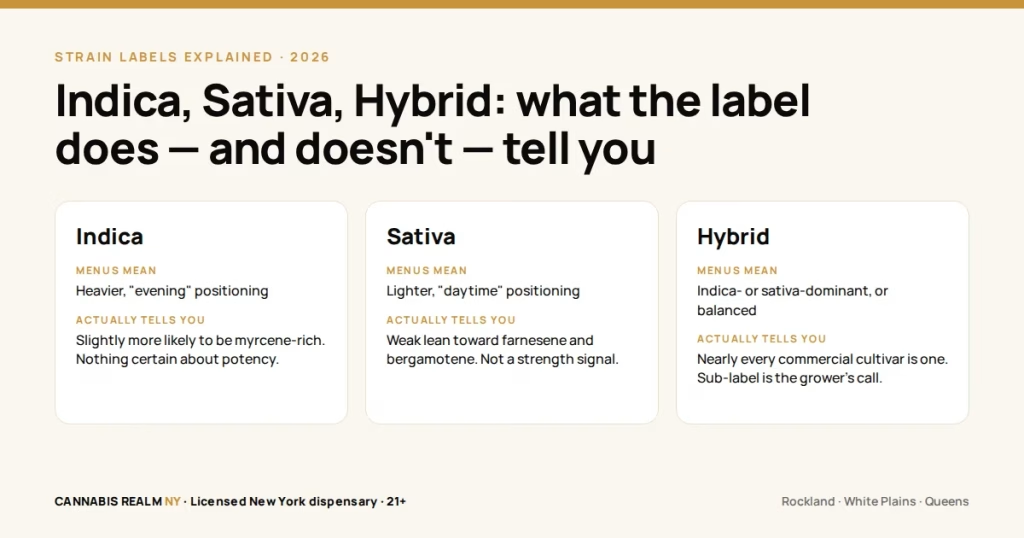
Indica, sativa, and hybrid are menu shorthand, not a chemistry guarantee. The words began as botanical descriptions of plant shape, and a 2021 genetic study found the labels only weakly track a cultivar’s terpenes and don’t reflect ancestry at all. In a licensed New York dispensary, the label’s total THC, terpene profile, and COA tell you far more than the category.
- Where the labels came from
- Botany: Cannabis sativa named 1753, Cannabis indica 1785
- Label vs. genetics
- Genome-wide variation explained ~37% of label variance (Nature Plants, 2021)
- Best single predictor
- Myrcene tracks the indica label, R² 0.21
- NY label must show
- Total THC, lot number, COA QR code; terpene profile when marketed
Walk into any of our licensed New York dispensaries in Rockland, White Plains, or Queens and every flower jar, pre-roll, and vape carries one of three tags: indica, sativa, or hybrid. The labels are useful as a starting point, and our menu filters by them. But they are not a promise about how a product will feel, and treating them as one is the most common mistake we see from both first-time and long-time shoppers. Here is what the labels actually mean in 2026, what the science says, and which numbers on a New York label deserve your attention instead. This is general product information for adults 21+ and is not medical advice.
Where the indica, sativa, and hybrid labels came from
The three terms are botanical, not experiential. Cannabis sativa was named by Carl Linnaeus in 1753 to describe the tall, narrow-leaved hemp plants grown in Europe. Cannabis indica was named by Jean-Baptiste Lamarck in 1785 for the shorter, broad-leaved, resinous plants he received from India. For nearly two centuries the words described what a plant looked like and where it grew, not what it did.
The effect-based meanings (“indica = relaxing, sativa = energizing”) are a late-twentieth-century marketing convention that grew out of informal breeding culture. Researchers at Dalhousie University who studied the question concluded that producers have historically been assigning labels based mainly on aroma rather than any tracked lineage, which is why the same genetics can carry different labels from different growers. Their summary of the problem is worth reading in full at The Conversation.
What the three labels are supposed to mean today
On a modern dispensary menu the labels work as a rough sorting system. The table below shows what shops usually intend each one to signal versus what it reliably tells you.
| Label | What menus usually mean | What it reliably tells you |
|---|---|---|
| Indica | Positioned as heavier, more body-focused, “evening” flower | Slightly more likely to be myrcene-rich; nothing certain about potency or effect |
| Sativa | Positioned as lighter, more cerebral, “daytime” flower | Slightly more likely to carry sweet, herbal terpenes like farnesene and bergamotene |
| Hybrid | A cross; often split into indica-dominant, sativa-dominant, or balanced | Almost every commercial cultivar is a hybrid; the sub-label is the grower’s judgment call |
Notice that the middle column is about positioning and the right column is about probability. That gap is the whole story, and the next section explains why it exists.
Do indica and sativa labels actually predict effects?
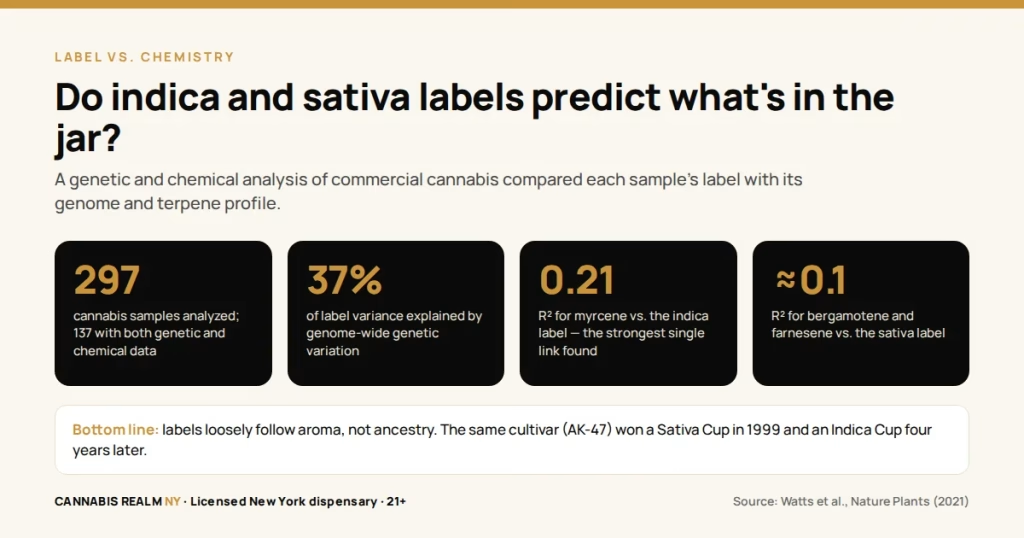
Not reliably. The clearest evidence is a 2021 study published in Nature Plants by Watts and colleagues, which analyzed 297 cannabis samples, 137 of them with both genetic and chemical data, and compared each sample’s label against its genome and terpene profile. Genome-wide genetic variation explained only about 37% of the variance in labeling, and the authors state plainly that sativa–indica labels do not accurately reflect genetic relatedness. You can read the paper at Nature Plants.
What the labels did track, weakly, was a handful of terpenes. Indica-labeled samples were more likely to be high in myrcene (the strongest single association, with an R² of 0.21) and in the sesquiterpenes guaiol and eudesmol. Sativa-labeled samples leaned toward bergamotene and farnesene, but with R² values near 0.1, meaning the label explained roughly a tenth of the variation. In other words, growers appear to be labeling by smell, and the smell only loosely predicts the chemistry.
Two examples from the researchers make the point without any statistics. The cultivar AK-47 won a “Sativa Cup” in 1999 and an “Indica Cup” at the same competition four years later. And two samples both sold as “OG Kush” were more chemically similar to differently named strains than to each other. If the name and the category can both drift that far, neither is a safe proxy for what is in the jar.
What does “hybrid” mean on a menu?
A hybrid is any cultivar bred from parents of more than one lineage, which in practice describes nearly everything sold in a licensed dispensary today. Decades of crossing mean pure landrace sativas or indicas are rare on commercial menus, so “hybrid” is less a third category than the default state of modern cannabis.
The sub-labels are the grower’s or brand’s judgment about which parent’s traits show up more. Indica-dominant and sativa-dominant usually mean the breeder expects the aroma and growth pattern to lean one way; balanced means neither parent is expected to dominate. None of these terms is defined or verified under New York’s labeling rules, so treat them as a brand’s description, not a lab result.
What to read instead: terpenes, total THC, and the COA
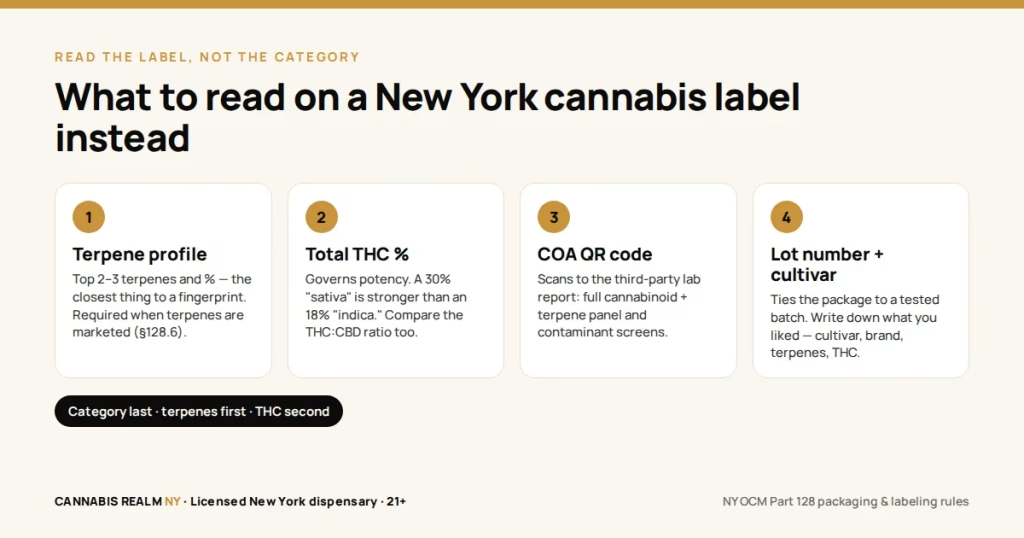
New York’s Office of Cannabis Management requires every licensed adult-use product to carry a set of standardized label elements, and those elements are far more informative than the category tag. The Part 128 packaging and labeling guidance lays out exactly what must appear. Here is how to use each piece.
Terpene profile
Terpenes are the aromatic compounds that give a cultivar its smell, and they are the closest thing the label offers to a fingerprint. Under Section 128.6, a product that markets its terpene content must print a terpene profile on the outermost packaging; brands that don’t market terpenes are not required to list them, though most flower brands on our shelves do. When you find a cultivar you like, write down its top two or three terpenes and the approximate percentages. That note will serve you better than “indica” the next time you shop. Our terpene guide covers the common ones, and our strains-by-terpene menu guide maps them to products we carry.
| Terpene | Aroma | Label association in the 2021 study |
|---|---|---|
| Myrcene | Earthy, musky, ripe mango | Indica-labeled (strongest link, R² 0.21) |
| Guaiol / eudesmol | Woody, piney, slightly rosy | Indica-labeled |
| Bergamotene | Sweet, woody, tea-like | Sativa-labeled (weak) |
| Farnesene | Green apple, herbal | Sativa-labeled (weak) |
| Limonene | Citrus peel | No consistent label link |
| Caryophyllene | Black pepper, clove | No consistent label link |
Total THC and cannabinoid ratio
For inhalable products, New York labels must show total THC and total CBD as a percentage by weight, plus any other cannabinoid the brand markets. This is the number that governs how strong a product is, and it has nothing to do with the indica or sativa tag. A 30% THC “sativa” is stronger than an 18% THC “indica,” full stop. If you are choosing between two products with similar terpene profiles, the THC percentage and the THC-to-CBD ratio are the next things to compare.
The COA QR code and lot number
Every licensed New York product carries a scannable QR code or link to its Certificate of Analysis, the third-party lab report that verifies potency and screens for contaminants, along with a lot number that ties the package to a specific tested batch. The COA usually lists a fuller terpene panel than the package does, so it is the place to look when the label only names the top three. OCM’s consumer page walks through the QR code, the universal symbol, and the Dispensary Verification Tool that identifies a licensed storefront. None of this exists on an unlicensed product, which is one more reason the label matters more than the category. Our guide to licensed dispensaries versus smoke shops covers the difference in detail.
For a line-by-line walkthrough of every required element, see our guide on how to read a New York cannabis label.
How to use the labels when you shop
The labels are not useless. They are a coarse first filter that narrows a 200-product menu to something you can scan. The trick is to stop there and let better data take over. A practical sequence that works for most adult shoppers looks like this.
- Filter by category to shorten the list. If you have historically liked products sold as indica, start there. Just don’t expect two indicas to feel alike.
- Read the terpene profile. Look for the two or three dominant terpenes and compare them to cultivars you already know you enjoy. Similar profiles are a much stronger signal than matching categories.
- Check total THC. Decide how potent you want the product to be and compare percentages directly across your shortlist.
- Scan the COA. Confirm the batch tested clean and see the full cannabinoid and terpene panel.
- Start low and keep notes. Record the cultivar name, brand, terpenes, and THC percentage of what you liked. Over a few purchases you will have a personal map that no label could give you.
- Ask a budtender. Our teams see the COAs and the terpene panels daily and can point you to products with a profile similar to one you already enjoyed.
New to dispensary shopping altogether? Our first-visit guide covers ID checks, menus, and how ordering works, and our 2026 New York cannabis law guide covers possession limits and delivery rules.
Shopping by strain type at Cannabis Realm of NY
Every product on the Cannabis Realm of NY menu is tagged indica, sativa, or hybrid, and every flower, pre-roll, and vape listing shows the brand’s stated THC percentage, with the COA one scan away on the package. You can filter by strain type on the live menus for Rockland (Spring Valley), White Plains, and Queens, then sort the results by the terpene and potency details that matter. Same-day delivery is available across Rockland, Westchester, Queens, and neighboring zones, with free delivery over $50 from Rockland and over $99 from White Plains and Queens, and in-store or curbside pickup is available at all three locations. We are a licensed New York dispensary, so every product is lab-tested and labeled to OCM standards, and every customer must be 21 or older with a valid government-issued ID.
If the indica/sativa debate has ever left you with a product that didn’t match the label, the fix is not a better category. It is reading the label the way it was designed to be read: terpenes first, THC second, category last.
Shop flower by strain type · live menu
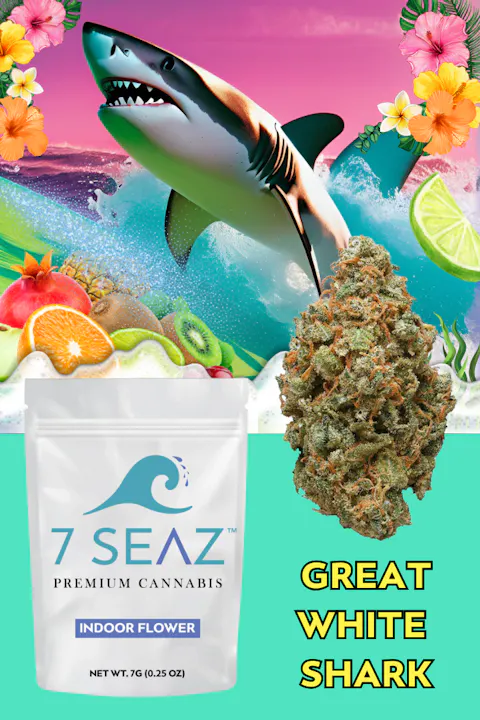 Hybrid7Seaz7Seaz - Great White Shark (Indoor) - 7g26.7% THC$48.99White Plains
 Hybrid7Seaz7Seaz - Alien Wedding x Tokyo Moon (Indoor) - 14g23.8% THC$93.99Queens
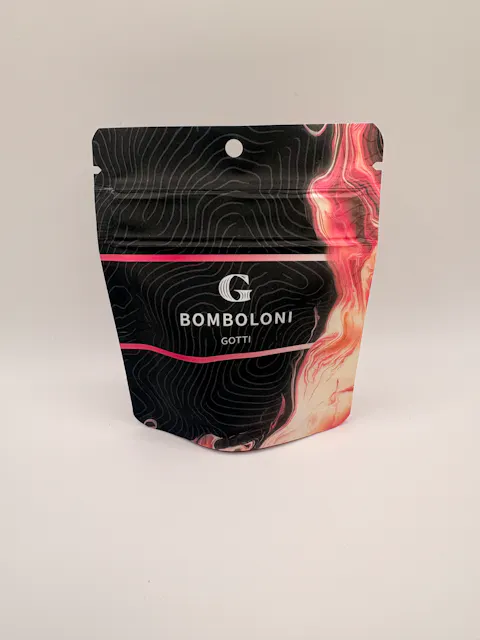 HybridGottiGotti - Bomboloni (Indoor) - 3.5g23% THC$54.99Rockland
 Hybrid7Seaz7Seaz - Incredible Hulk (Indoor) - 7g29% THC$48.99White Plains
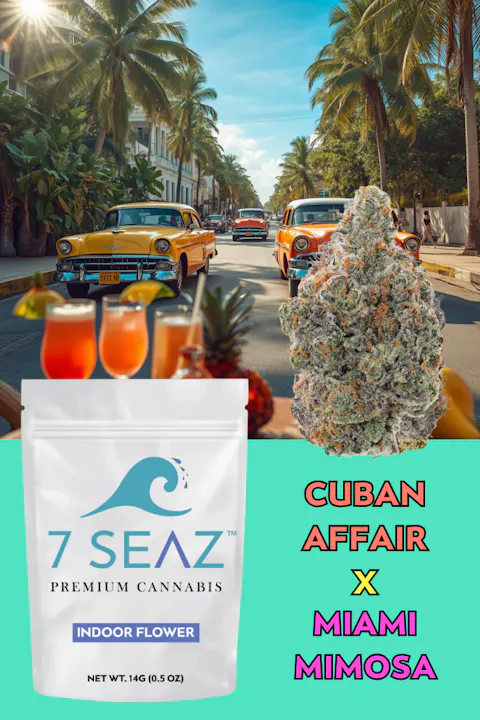 Hybrid7Seaz7Seaz - Cuban Affair x Miami Mimosa (Indoor) - 14g23.8% THC$93.99Queens
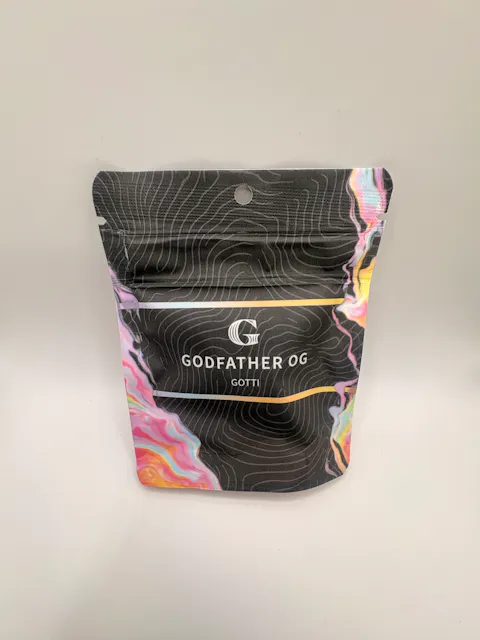 HybridGottiGotti - Godfather OG (Indoor) - 3.5g28% THC$54.99Rockland
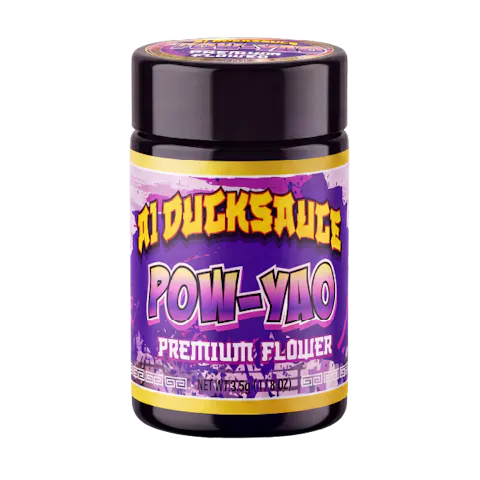 SativaA1 DucksauceA1 Ducksauce - Pow-Yao (Indoor) - 3.5g30.4% THC$54.99White Plains
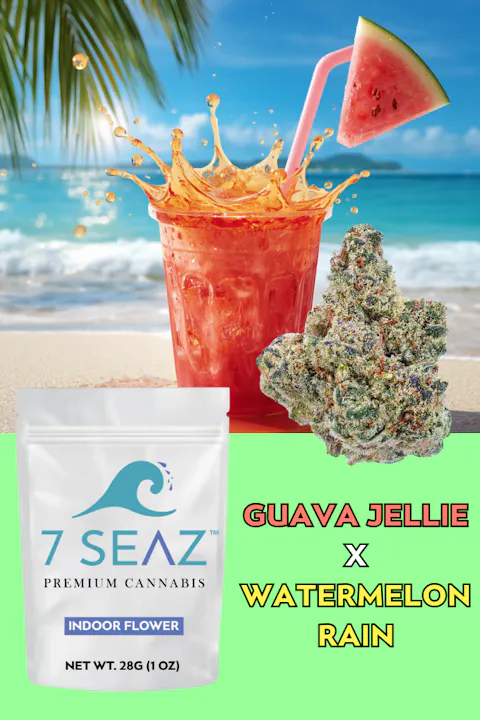 Hybrid7Seaz7Seaz - Guava Jellie x Watermelon (Indoor) - 28g23.4% THC$192.99Hybrid7Seaz7Seaz - Great White Shark (Indoor) - 7g26.7% THC$48.99Hybrid7Seaz7Seaz - Incredible Hulk (Indoor) - 7g29% THC$48.99SativaA1 DucksauceA1 Ducksauce - Pow-Yao (Indoor) - 3.5g30.4% THC$54.99
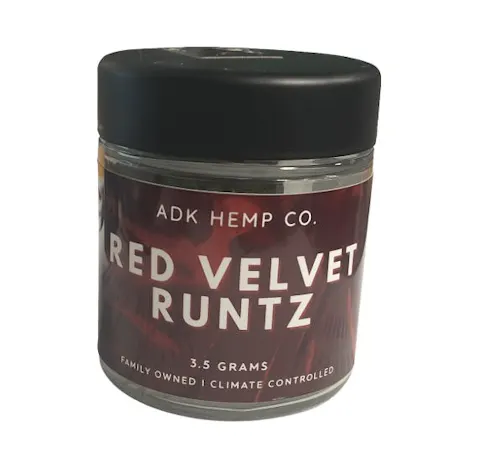 HybridAdirondack Hemp Company (Micro)ADK - Red Velvet Runtz (Indoor) - 3.5g29.5% THC$48.99Hybrid7Seaz7Seaz - Alien Wedding x Tokyo Moon (Indoor) - 14g23.8% THC$93.99Hybrid7Seaz7Seaz - Cuban Affair x Miami Mimosa (Indoor) - 14g23.8% THC$93.99Hybrid7Seaz7Seaz - Guava Jellie x Watermelon (Indoor) - 28g23.4% THC$192.99
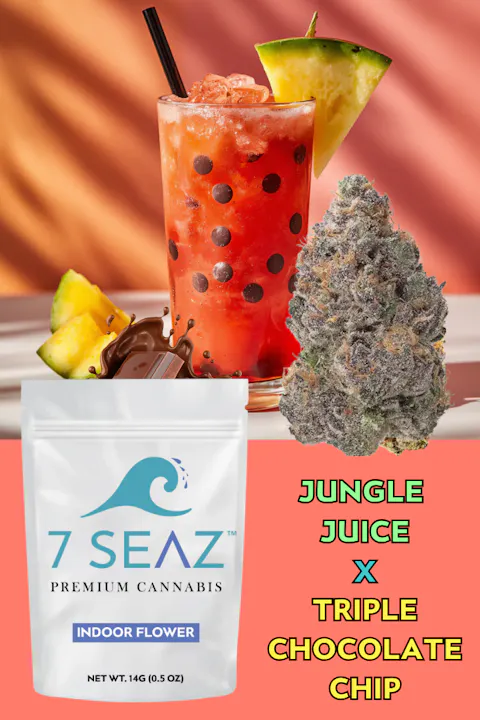 Hybrid7Seaz7Seaz - Jungle Juice x Triple Chocolate Chip (Indoor) - 14g28.3% THC$93.99HybridGottiGotti - Bomboloni (Indoor) - 3.5g23% THC$54.99HybridGottiGotti - Godfather OG (Indoor) - 3.5g28% THC$54.99
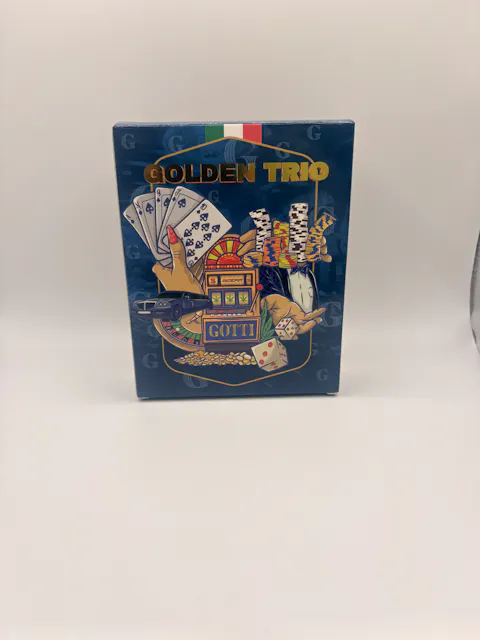 HybridGottiGotti - Golden Trio (Indoor) - 3.5g20.1% THC$54.99
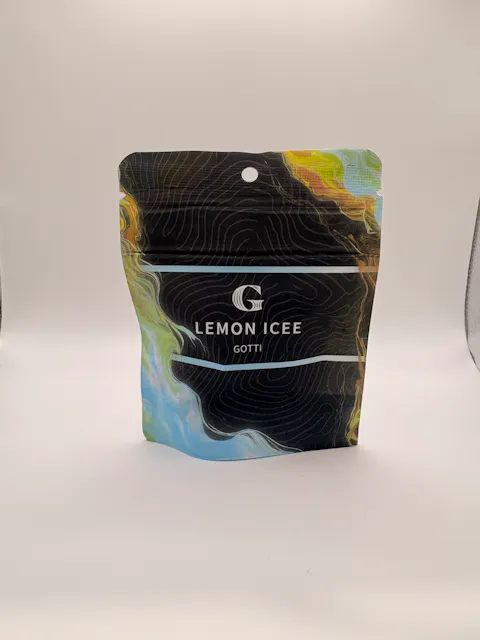 HybridGottiGotti - Lemon Ice (Indoor) - 3.5g20.2% THC$54.99
Frequently asked questions
Is hybrid stronger than indica or sativa?
No. Potency comes from the total THC percentage printed on the label, not the category. A hybrid, indica, or sativa can each range from under 15% to over 30% THC, so compare the number rather than the label.
Is indica always more relaxing than sativa?
Not reliably. The 2021 Nature Plants study found indica-labeled products were only slightly more likely to be high in myrcene, and the label explained a small share of the chemical variation. Two indicas can differ more from each other than from a sativa, so the terpene profile and THC percentage are better guides.
What does "indica-dominant hybrid" mean?
It is the grower's or brand's judgment that the cultivar's aroma and growth traits lean toward its indica-labeled parent. The term is not defined or verified under New York's labeling rules, so treat it as a description rather than a lab result.
Are indica and sativa different plants?
They began as separate botanical names: Cannabis sativa (Linnaeus, 1753) for tall, narrow-leaved plants and Cannabis indica (Lamarck, 1785) for shorter, broad-leaved plants. Modern commercial cultivars are crosses of both, and genetic analysis shows the labels no longer track ancestry.
Do New York dispensary labels have to list terpenes?
Only when the brand markets terpene content. Under OCM's Part 128 rules (Section 128.6) a product that markets terpenes must print a terpene profile on the outer packaging. Every licensed product must carry a QR code or link to its Certificate of Analysis, which usually includes a fuller terpene panel.
How do I find the terpene profile for a product?
Check the outer packaging first, then scan the COA QR code for the full lab panel. At Cannabis Realm of NY you can also ask a budtender in Rockland, White Plains, or Queens; our teams see the COAs daily and can match you to a product with a profile similar to one you already liked.
Can I filter the Cannabis Realm of NY menu by indica, sativa, or hybrid?
Yes. Every product on our Rockland, White Plains, and Queens menus is tagged indica, sativa, or hybrid, and each listing shows the brand's stated THC percentage. Orders are available for same-day delivery or pickup to adults 21+ with a valid government-issued ID.
For adults 21+ only. This content is for general information and is not medical advice. Cannabis products have not been evaluated by the FDA. Please consume responsibly and keep out of reach of children and pets.
Shop Flower on the live menu
Real-time inventory & pricing at all three Cannabis Realm dispensaries — delivery, pickup or curbside. 21+.
 What Is a Budtender? What They Do and How to Get the Most Out of Your Visit
 Live Rosin vs. Live Resin: What’s the Difference, and Which Should You Buy?
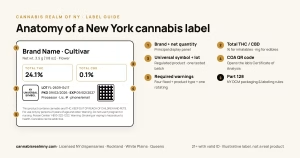 How to Read a New York Cannabis Label: THC, Lot Numbers, and the COA QR Code