 By Canna King
Understanding Cannabis Consumption Methods
Before comparing methods, it’s important to understand one simple truth: how you consume cannabis determines how it affects your body. THC—the primary psychoactive compound in cannabis—interacts differently depending on whether it’s inhaled or digested.
-
Smoking and vaping deliver THC through the lungs into the bloodstream almost immediately.
-
Edibles send THC through the digestive system and liver, creating a delayed but often stronger and longer-lasting effect.
This difference alone explains why experiences vary so dramatically.
Smoking Cannabis: The Traditional Experience
What Is Smoking Cannabis?
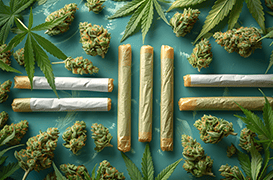
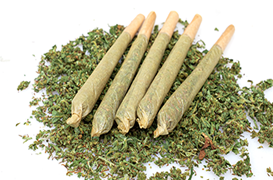
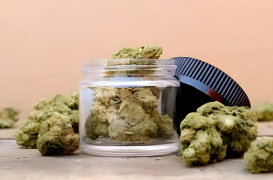
Smoking cannabis involves combusting dried flower or pre-rolls and inhaling the smoke. This is the oldest and most familiar method, commonly done using joints, blunts, bowls, or bongs.
How Smoking Affects the Body
When you smoke weed, THC enters the bloodstream through the lungs and reaches the brain within minutes. This fast delivery creates an immediate and predictable high.
Onset Time
-
2–10 minutes
Duration
-
1.5 to 3 hours, depending on strain, potency, and tolerance
Experience & Effects
Smoking typically produces:
-
A fast, noticeable head change
-
Strong flavor from the flower’s terpene profile
-
Easier dose control because effects are felt quickly
Many users enjoy smoking because it allows them to “feel it and stop”, avoiding accidental overconsumption.
Health Considerations of Smoking Cannabis
Smoking involves combustion, which creates:
-
Smoke particulates
-
Tar
-
Carbon monoxide
These byproducts can irritate the lungs and throat, especially with frequent use. While cannabis smoke is different from tobacco smoke, inhaling any burned plant material can impact respiratory health.
Common side effects of smoking weed include:
-
Coughing
-
Throat irritation
-
Dry mouth
-
Shortness of breath with heavy use
That said, many experienced users still choose smoking because of its immediate effects and full-spectrum experience.
Who Smoking Is Best For
Smoking cannabis may be ideal for:
-
Experienced users
-
People who want fast effects
-
Social or occasional users
-
Consumers who enjoy flower and pre-rolls
-
Those who want maximum flavor from strains
Vaping Cannabis: The Modern Alternative
What Is Vaping Cannabis?
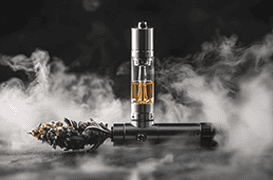
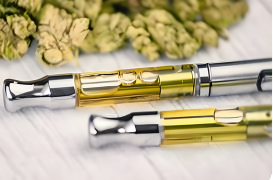
Vaping heats cannabis flower or oil just enough to release cannabinoids and terpenes without burning the plant material. This produces vapor instead of smoke.
There are two main types:
-
Dry flower vaporizers
-
Vape cartridges or all-in-one vape pens
How Vaping Affects the Body
Vaporized THC is still absorbed through the lungs, but at lower temperatures, preserving more terpenes and reducing harmful byproducts.
Onset Time
-
2–10 minutes (similar to smoking)
Duration
-
2–4 hours
Experience & Effects of Vaping
Vaping is often described as:
-
Smoother on the throat
-
Cleaner tasting
-
More controlled and consistent
-
Less harsh than smoking
Because terpenes are preserved at lower temperatures, many users find vaping produces a clearer, more nuanced high compared to smoking.
Health Considerations of Vaping Cannabis
While vaping is not risk-free, it is widely considered less harsh than smoking because it avoids combustion.
Potential benefits:
-
Reduced lung irritation
-
Less coughing
-
No smoke smell lingering on clothes
-
Better control over temperature and dosage
However, quality matters. Purchasing lab-tested vape products from licensed dispensaries is critical to avoid contaminants.
Who Vaping Is Best For
Vaping may be ideal for:
-
Health-conscious cannabis users
-
Those who want discretion
-
People sensitive to smoke
-
Flavor-focused consumers
-
Users seeking a balanced, functional high
Edibles: The Slow-Burn Powerhouse
What Are Cannabis Edibles?
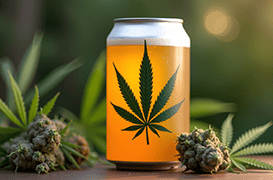
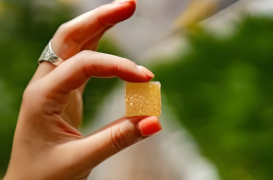
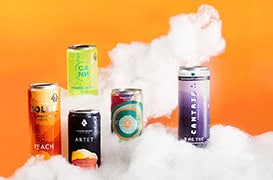
Edibles are cannabis-infused foods and beverages, including:
-
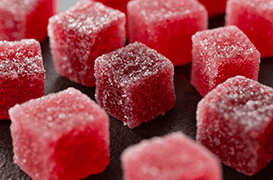
Gummies
-
Chocolates
-
Baked goods
-
Drinks
-
Capsules
Unlike smoking or vaping, edibles are digested, not inhaled.
How Edibles Affect the Body
When THC is eaten, it is processed by the liver and converted into 11-hydroxy-THC, a compound that is more potent and longer-lasting than inhaled THC.
This is why edibles feel different—and often stronger—than smoking or vaping.
Onset Time
-
30 minutes to 2 hours (sometimes longer)
Duration
-
6 to 8 hours, sometimes longer with higher doses
Experience & Effects of Edibles
Edibles often produce:
-
A deeper body sensation
-
Longer-lasting effects
-
Stronger intensity at higher doses
-
Less predictable onset for beginners
Because the effects take time, many first-time users make the mistake of taking too much.
Health Considerations of Edibles
Edibles avoid lung irritation entirely, making them appealing to users who don’t want to inhale anything.
However, risks include:
-
Overconsumption
-
Delayed effects leading to anxiety
-
Stronger, longer highs than expected
Proper dosing is essential.
Who Edibles Are Best For
Edibles may be ideal for:
-
Users avoiding inhalation
-
Those seeking long-lasting effects
-
Nighttime or relaxation use
-
Discreet consumption
-
Experienced users comfortable with dosing
Smoking vs Vaping vs Edibles: Side-by-Side Comparison
Speed
-
Fastest: Smoking & Vaping
-
Slowest: Edibles
Duration
-
Shortest: Smoking
-
Moderate: Vaping
-
Longest: Edibles
Control
-
Best control: Smoking & Vaping
-
Least control: Edibles
Intensity
-
Most intense (dose-dependent): Edibles
-
Balanced: Vaping
-
Immediate: Smoking
Health Impact
-
Least lung impact: Edibles
-
Moderate: Vaping
-
Most lung irritation: Smoking
Which Method Is Best for Beginners?
For new cannabis users, vaping low-dose products or low-dose edibles (2.5 mg THC) are often recommended.
Smoking can feel intense quickly, while edibles can last too long if misused. Vaping offers a middle ground with faster feedback and easier adjustment.
Choosing the Right Cannabis Method for You
The “best” method depends on:
-
Your tolerance level
-
Desired duration
-
Health preferences
-
Lifestyle and setting
-
Experience level
Many experienced consumers rotate between methods depending on the situation. dispensary near me
No One-Size-Fits-All Cannabis Experience
Cannabis is personal. Smoking offers tradition and speed. Vaping offers balance and modern convenience. Edibles offer power and longevity. Understanding these differences allows you to shop smarter, dose responsibly, and enjoy cannabis on your terms.
The best cannabis experience isn’t about choosing the “right” method—it’s about choosing the right method for the moment.
Frequently Asked Questions (FAQs)
Is vaping cannabis safer than smoking?
Vaping avoids combustion, which may reduce lung irritation compared to smoking. However, quality products from licensed dispensaries are essential.
Are edibles stronger than smoking weed?
Edibles can feel stronger because THC is converted into a more potent form in the liver and lasts longer.
How long do edibles take to kick in?
Typically 30 minutes to 2 hours, depending on metabolism, dose, and whether you’ve eaten.
Can you overdose on edibles?
You can’t fatally overdose, but taking too much can cause discomfort, anxiety, and nausea.
Which cannabis method lasts the longest?
Edibles last the longest, often 6–8 hours or more.
Is smoking weed bad for your lungs?
Any smoke can irritate the lungs. Occasional use is different from frequent heavy use.
What’s better for discretion: vaping or edibles?
Edibles are the most discreet, followed closely by vaping.
Can beginners use edibles?
Yes, but beginners should start very low—2.5 mg THC or less—and wait at least two hours.
Which method gives the best flavor?
Vaping often preserves terpenes better than smoking.
Can I mix methods?
Yes, but combining methods can increase intensity. Go slow.